

A parking management proposal earns trust by specifying staffing numbers, pricing structure, sample reporting, insurance limits, and named references, so the fastest way to evaluate one is to catalog what it left out. Most operator proposals read well. They are written by people who write proposals for a living, and they are built to survive a first read without generating questions. The problems surface on the second read, when you go looking for a number and find an adjective instead.
Owners and procurement leads describe the same experience after a solicitation closes. The proposals are not comparable, because every operator formats the numbers differently. That is rarely an accident of layout. A proposal that resists comparison is usually a proposal that would lose one.
The Staffing Plan Has No Numbers In It
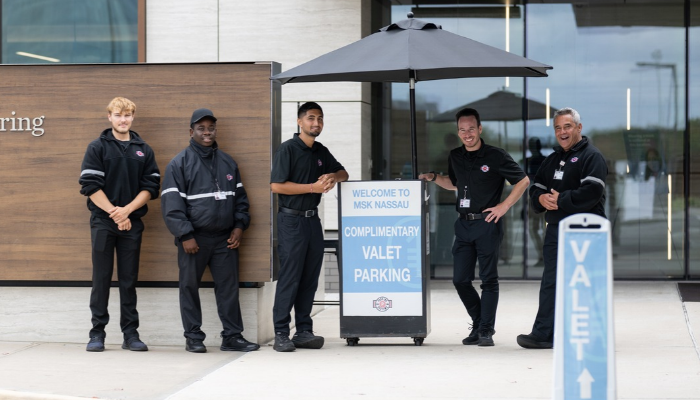
A staffing plan is only meaningful when it states positions, hours, and coverage by day part, because that is the portion of the proposal the operator actually has to fund. Language like adequate staffing levels or an experienced on-site team commits nobody to anything. If the plan does not say how many attendants are on the deck at 7:30 a.m. on a Tuesday, it has not been costed.
Ask for the schedule by day part, the supervisor's physical presence on site, and the specific mechanism for covering a call-out on a Saturday night. Low bids typically encode a staffing level the operator does not intend to hold, and the shortfall reappears as coverage failures inside the first two quarters. Coverage is a recruiting and retention problem rather than a headcount problem, so a plan that never mentions how positions get filled has skipped the hard part.
The Price Is a Management Fee and Nothing Else
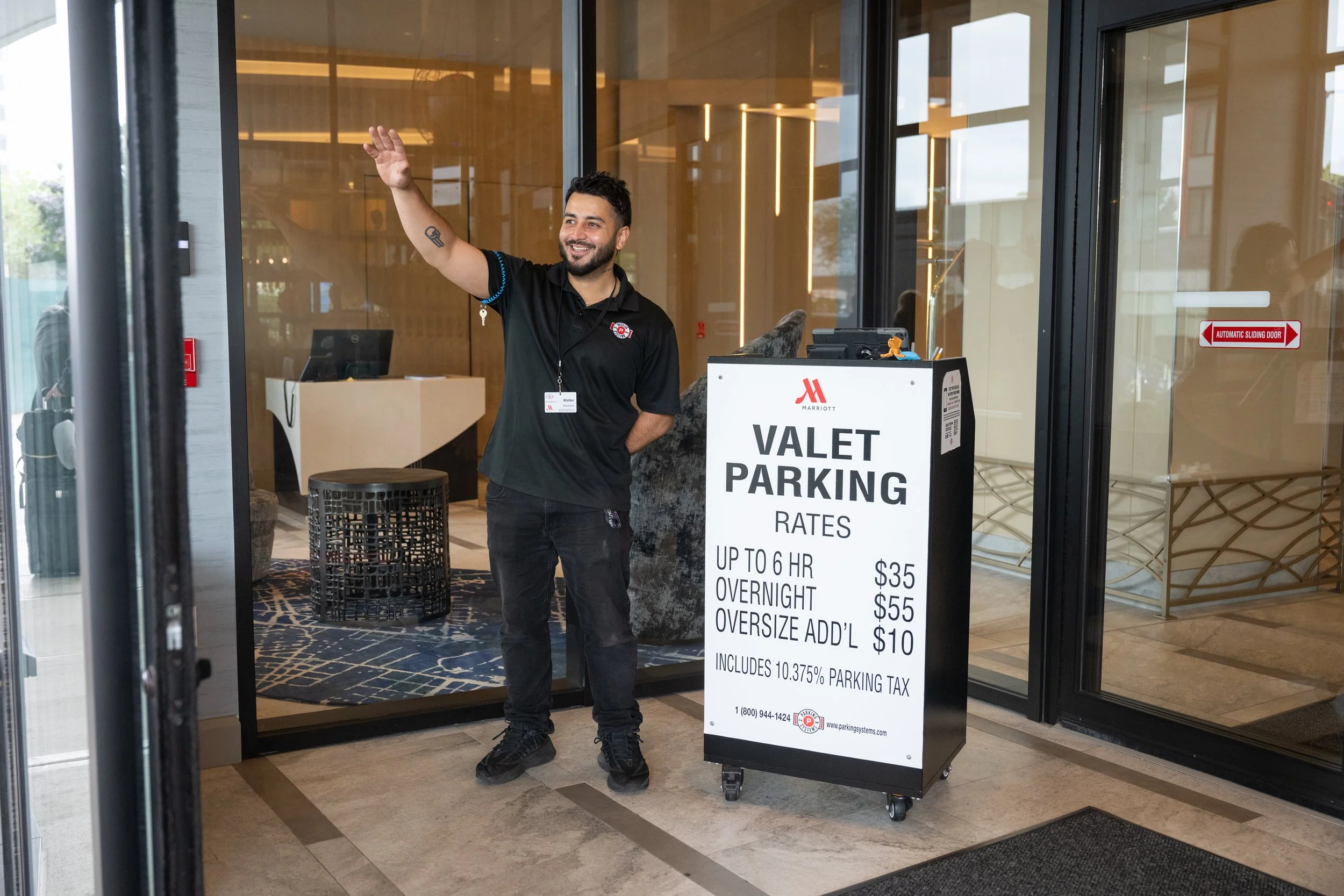
The management fee is the smallest part of what a parking contract costs, so a proposal that leads with the fee and stops there has priced only the visible portion. Pass-through expenses, expense caps, capital approval thresholds, and audit rights routinely matter more to the annual number than the fee does. Under a cost-plus structure, marked-up expenses are the operator's revenue, which means the structure contains no built-in incentive to control them.
Look for whether the proposal states which contract structure it is priced under and what happens when expenses exceed the budget. A proposal that leaves structure ambiguous has preserved room to negotiate it later, from a stronger position. This is one of the things a solicitation can fix upstream, and it is worth reading how to write a parking management RFP before the document goes out rather than after the bids come back.
Reporting Is Described but Never Shown
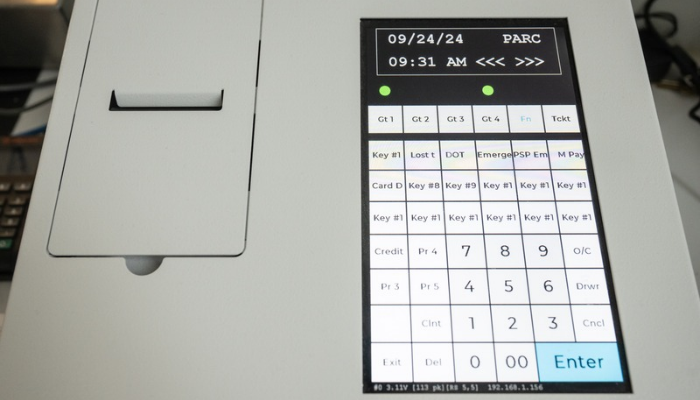
Reporting quality is the hardest thing to verify from a proposal, which is why a redacted sample settlement report tells you more than any paragraph describing one. Every operator will claim detailed monthly reporting. Far fewer will attach an actual report, because attaching one exposes the format, the level of detail, and whether the numbers reconcile to anything.
Request the sample as a condition of the submission. If the operator cannot produce a redacted report from an existing account, that is evidence they have no standard format, which means yours will be invented after the contract is signed. The test to apply is simple: could you hand this report to your investment committee, a lender, or an auditor without editing it first.

The Reference Section Is a Wall of Logos
References are useful only when they are named contacts at properties comparable to yours, because a logo proves a contract existed and nothing about how it was run. A client list tells you the operator won business. It does not tell you whether the account is still active, whether service held after year one, or whether the reference would take your call.
Ask for the property name, the contact, the tenure of the relationship, the services deployed, and whether the account is current. Facility-level detail is the honest version of a client list, which is why the parking operation at Stony Brook University Hospital reads differently than a logo grid. A comparable property matters more than an impressive one, because a proposal built on a marquee account in a different asset class is proof of sales capability rather than operational fit.

Insurance Is Summarized Instead of Specified
Insurance language decides who pays when a vehicle is damaged, so a proposal that mentions coverage without naming limits, carriers, and garagekeepers terms has deferred the most expensive question in the contract. General liability alone does not address vehicles in the operator's custody. Garagekeepers coverage does, and the limit is the number that matters.
Where valet parking services are in scope, the operator takes custody of the keys, and custody is what determines who carries the exposure. Valet is generally treated as a bailment, meaning the burden of proof shifts to whoever held the vehicle. Courts frequently decline to enforce posted disclaimer signage, so a proposal that leans on signage as a liability position is describing a strategy that has already failed elsewhere. Ask for a sample certificate of insurance, the indemnification language the operator will actually sign, and the claims process in writing.

Technology Is Offered as the Answer to Revenue Control
Automation relocates revenue leakage rather than removing it, so a proposal that treats a cashless system as the revenue control plan has skipped the part where someone reconciles the numbers. Manual gate overrides, lost-ticket policies, and grace-period exploitation survive every equipment upgrade. Absence of cash is not evidence of control.
Equipment is infrastructure behind an operation rather than a substitute for one, which is the frame to apply when reviewing the systems we run or any other operator's technology section. The question to put back to the operator is what gets reconciled against what, how often, and who signs off. An audit that compares system revenue to independent vehicle counts is a control. A list of installed hardware is not.

The Transition Plan Is One Paragraph
Transition is where owners actually get hurt, so a mobilization plan should read as a dated sequence with named responsibilities rather than a paragraph of reassurance. Staying with an operator you are unhappy with is the most common outcome of a bad transition experience, and operators know it. A vague plan protects the operator's flexibility at the cost of your exposure.
A credible plan states the mobilization timeline in days, the overlap staffing during handover, the payroll and onboarding sequence for retained employees, equipment and key transfer, permit and license transfer, and how monthly parkers are migrated without a billing gap. Ask who is on site during week one and who you call at 6 a.m. if the gate arm is down. The fear underneath this section is a service failure that lands publicly and personally on the person who signed the contract, and a real plan is what makes that fear manageable.

Scope Boundaries Are Left Undefined
Most contract disputes start at the scope boundary, where sweeping, snow removal, striping, lighting, drain cleaning, and equipment repair either belong to the operator or quietly return to the owner. A proposal that lists services without stating what is excluded has created a second budget you will discover in February.
Read for the word excluded and the phrase owner's responsibility. If neither appears, the boundary has not been drawn. Parking facility maintenance is one of the most common places this shows up, because the work is visible enough that somebody will do it and ambiguous enough that nobody priced it. Get the split in writing, with a dollar threshold above which the operator must obtain approval.

Nobody Behind the Proposal Actually Works in Your Market
Service is delivered by the local team rather than by the corporate logo, so a proposal without a named local manager and a local operating history has not answered who will run the site. National scale does not automatically produce better service at your specific property. The regional manager who visits twice a year is a structural condition, not a personality problem.
Local presence also carries compliance weight. In New York City, the Department of Consumer and Worker Protection licenses more than 1,600 parking lots and garages, and a license is required at five or more vehicles, which is one reason parking management in NYC is a different operating problem than the same service elsewhere. Prevailing wage exposure, union agreements, and permitting all vary by jurisdiction, and an operator without local history tends to discover those variables on your property.

The Proposal Could Have Been Written for Any Property
A proposal written for your asset names your peak patterns, your user mix, and your compliance exposure, and a proposal that names none of them was assembled from a template. This is the red flag that explains most of the others. Generic proposals are generic because nobody visited, nobody counted, and nobody asked.
The specifics differ sharply by asset class. Hospital parking management fails at shift change and visitor peak, so a proposal that does not distinguish patient, staff, and vendor access has not read the site. Hotel parking management lives at the porte-cochere during a compressed arrival window, and a plan built for a flat daily volume will not hold on a Friday.
Office parking management now turns on utilization that hybrid work reset, which makes a staffing plan built for 2019 occupancy an expensive assumption. Residential parking management runs on allocation policy and guest abuse rather than on transient volume, and a proposal that never mentions enforcement has left the confrontation with your on-site staff. If the operator's proposal would read identically at any of these properties, it was not written for yours.

What to Do With a Proposal That Fails These Checks
The purpose of finding red flags is not to disqualify operators but to force every proposal onto the same page, and the solicitation document does that job better than the evaluation ever can. Most of what makes proposals incomparable is fixable upstream, by specifying the format and the required attachments before anyone submits. Operators will supply what the document requires and no more.
Require these elements in the submission itself:
Staffing plan by position, day part, and coverage mechanism, with hourly rates stated
Pricing under a named contract structure, with expense caps and capital approval thresholds
A redacted sample monthly settlement report from a current account
Certificate of insurance and the indemnification language the operator will sign
Named references with contact, property, tenure, and current status
A dated mobilization plan with overlap staffing
An explicit scope exclusion list
Scoring against a fixed format turns a subjective read into a comparison. It also protects the person who has to defend the selection later, because a documented evaluation against stated criteria survives a board meeting, an investment committee, or a council session in a way that a preference does not. If you are drafting the solicitation now, the RFP scope and evaluation criteria are the place to build these requirements in.