
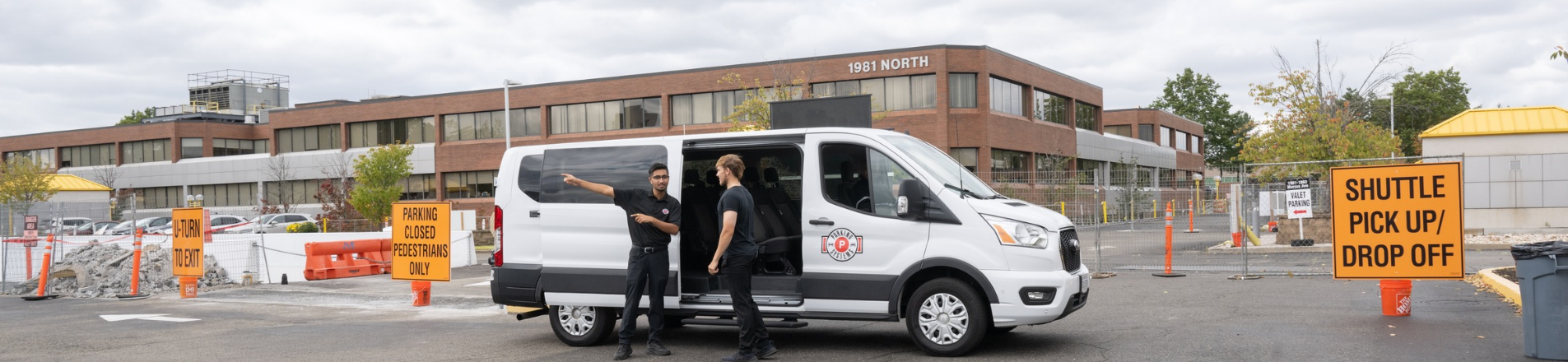
Re-bidding parking while an operator is still on site works when you start from the notice window in the current contract, build an independent revenue baseline before the scope is written, and specify staffing, reporting, and insurance in enough detail that every proposal answers the same questions in the same format.
Most owners who reach this point are not carrying a thick complaint file. The contract is coming up, ownership asked something about the garage line that nobody could answer cleanly, and someone has been handed the assignment. The incumbent still shows up every day, the operation has not collapsed, and the whole exercise can feel like a lot of process for a problem that may or may not exist. That ambiguity is normal. It is also the reason so many parking contracts auto-renew without anyone ever testing them.

What Actually Triggers a Parking Re-Bid
Re-bids usually start from a calendar date or a quiet suspicion rather than from a service failure, which is why the owner running the process often has nothing concrete to point at when they begin.
The common triggers are consistent across property types. A renewal or auto-renewal window appears on the calendar. A refinance or an audit requires clean parking financials. The garage expense line keeps growing while revenue stays flat. A broker mentions that a comparable building charges materially more. The attendant position turns over for the third time in a year. Or a board, a council, or a procurement policy requires a re-bid at the end of the term whether anyone is unhappy or not.
None of those are complaints about service. They are questions about value, and the only way to answer a question about value is to put the current operation next to alternatives.

Read the Contract Before You Read Any Proposals
The existing agreement sets the calendar for the entire process, and the notice provision inside it decides whether you can go to market this year at all.
Pull the contract and find these before anything else:
The auto-renewal clause and the exact number of days of written notice required to stop it
Termination rights, both for cause and for convenience, and any fee attached to either
What happens in holdover if the term lapses without notice being given
Who owns the revenue control equipment, the software licenses, and the historical transaction data at expiration
Who owns the monthly permit list and the customer records
Any cooperation or transition clause obligating the operator to hand over records and support a successor
Non-solicitation language that would stop a new operator from hiring the current on-site staff
The notice date is the one that ends processes before they start. Put it on a calendar with a reminder set at least 60 days ahead of it, then work backward to set your solicitation timeline. A re-bid that produces an excellent proposal two weeks after the renewal window closed has produced nothing.
Build a Revenue Baseline Before You Write the Scope
A re-bid run without an independent baseline invites every bidder to project against the incumbent's reported numbers, which is the exact figure you are trying to test.
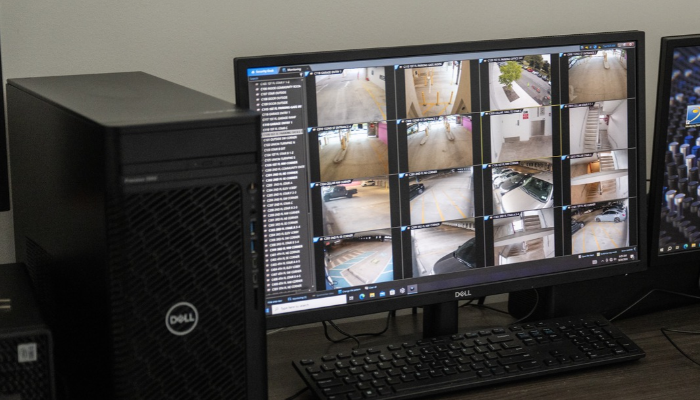
Reconcile one full month of system revenue against independent vehicle counts. Then look at where discretion lives in the operation: validations issued, grace period exits, lost ticket transactions, and manual gate overrides. Compare the monthly permit list against actual deposits, name by name. Finally, check posted rates against what comparable facilities in the same submarket charge, because rates set years ago and never revisited are the most common form of quiet underperformance.
Leakage is designed not to be noticed. In an Orange County, Florida comptroller audit reported in 2025, a single convention center attendant was found to have diverted roughly $57,000 through a personal card reader, and the activity surfaced only after cameras went into the toll booths. Automation relocates that exposure rather than removing it, which is why the reconciliation matters more than the equipment.
If the internal capacity to run that analysis does not exist, parking consulting engagements cover operational audits and revenue and expense analysis as standalone work, with no operating agreement attached. Part of the same exercise is understanding what our revenue control technology captures and what it leaves to manual judgment, because the gaps in the current system usually explain the gaps in the current reporting.
Decide Whether the Incumbent Gets Invited
Inviting the current operator to bid is usually the right call, but only when the process is structured so their information advantage does not quietly become a scoring advantage.
They know the site better than anyone else who will respond, and that is genuinely useful. They also know how much you fear a transition, and that knowledge shows up in how aggressively they price and how vaguely they commit. Hold them to the same deadlines, the same questions, and the same pricing form as everyone else. Do not preview the scope with them, and do not let familiarity with a regional manager substitute for a written answer.
If you have already decided to replace them and are running a solicitation to document a conclusion you have reached, that is a defensible thing to do in some governance settings and a waste of four operators' time in others. Know which one you are doing before the document goes out.

Write a Scope That Makes Proposals Comparable
Proposals only compare when the scope dictates the format, because operators left to their own templates will each present a different number and each call it the same thing.
Require the following, and require them in your format rather than theirs:
A staffing plan by position and by hour, including who covers a callout at 6 a.m. on a Sunday
The actual hourly wage rates being paid, not a blended labor line
Written revenue control and cash handling procedure, including how manual overrides get logged
A redacted sample monthly settlement report submitted as an exhibit, not described in prose
Insurance limits including garagekeepers coverage, plus the proposed indemnification language
A pricing form every bidder completes identically, showing the management fee, every reimbursable expense category, and any proposed expense cap
A mobilization plan with dates on it
The sample report is the item most often left out and the one that tells you the most. Ask for a report from an actual comparable property with the client identifiers removed. An operator who produces one inside a week is showing you the reporting you will receive. An operator who needs a month is building it for you now.
What the scope emphasizes changes with the asset. An office parking management re-bid tends to turn on tenant and visitor access, monthly permit administration, and reporting an asset manager can pass upward without editing it first.
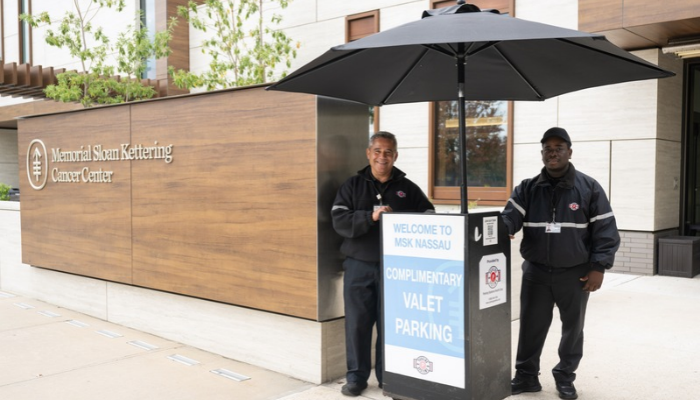
A hospital parking management re-bid turns on different things: coverage at shift change and visitor peak, valet staffing depth, and clean segmentation between patients, staff, and vendors. Write the scope for the property you actually have, then send it to every operator you want in the comparison, including through our request for proposal form.

Score on More Than the Management Fee
The management fee is the most visible number in a parking proposal and the least predictive of what the relationship will actually cost across a full term.
Owners routinely negotiate hard on the fee while leaving the terms that govern everything else untouched: expense caps, capital approval thresholds, audit rights, and direct access to the revenue control system. Under a cost-plus structure, marked-up expenses are the operator's revenue, so the structure contains no built-in incentive to hold them down. That is not an accusation, it is arithmetic, and it is why the expense schedule deserves more scrutiny than the fee line.
Weight the staffing plan, the reporting package, and references at genuinely comparable properties alongside price. Low bids typically encode a staffing level the bidder does not intend to hold, and the shortfall reappears as coverage failures inside the first two quarters. Owners who have lived through it describe it the same way every time: they picked the low bid once and paid for it in service for three years.
Then interview the local management team who will actually run the site, not the executive who presents. Service is delivered by the people assigned to your property, and the useful question is how often supervision is physically present.
Ask for a Transition Plan With Dates on It
Transition risk is the most common reason owners stay with an operator they are unhappy with, and a written mobilization plan is what converts that risk from a fear into a schedule.
A credible plan names the site manager. It states whether incumbent staff will be offered positions and on what terms. It sets dates for credential and permit list migration, revenue control system handover, cash procedure changeover, signage, and uniform deployment. It includes overlap staffing across the changeover so no shift is covered entirely by people seeing the property for the first time. It also commits to a reporting cadence for the first 30 days that runs heavier than the steady state.
Operators with public agency experience are generally built for this, because procurement rules require the documentation as a condition of the award. Parking Systems was awarded the MTA and Long Island Rail Road parking facilities covering more than 3,500 spaces across Mineola, Ronkonkoma, Wyandanch, and Westbury.
The same applies at the municipal level, where Parking Systems operates the 600-space Queens Borough Hall Municipal Parking Garage in Kew Gardens. Both came through competitive processes with defined mobilization requirements attached.

Where This Leaves You
A re-bid run properly produces a decision you can defend, whether it ends with a new operator or with the current one on better terms.
The sequence is the same either way. Find the notice date. Build the baseline. Write a scope that forces comparable answers. Score the staffing plan and the reporting package with as much weight as the fee. Require a mobilization plan with dates. Owners who do that frequently find the exercise was worth running even when the incumbent keeps the contract, because the terms that come out of it are better than the terms that went in.
If you want another proposal in the comparison, full-service parking management from Parking Systems covers garages, surface lots, valet, and monthly programs across New York, New Jersey, Pennsylvania, Georgia, and South Carolina. Send the scope and the site details through our proposal request form and we will respond on your format and your timeline.