
Parking Management for Pittsburgh

Parking Systems staffs and operates garages, surface lots, and shuttle programs for Pittsburgh property owners, which puts the hiring, the revenue control, the tax remittance, and the monthly reporting under one operator instead of across three.
Pittsburgh parking is unusually sensitive to rate strategy, because the gap between what a driver pays and what the operating statement keeps is wider here than in most markets. That makes pricing, utilization, and revenue verification the first conversation rather than the last one. We run office parking management and campus shuttle programs under one staffing plan and report both in the same monthly format.

Jonathan Baron
jbaron@parkingsystems.com
Vice President
(800) 944-1424
What Pittsburgh's Parking Tax Does to Your Rates and Your Reporting
Pittsburgh levies one of the highest municipal parking taxes in the country, which means the posted rate and the revenue your operating statement actually sees are further apart here than almost anywhere else you own.
Two things follow from that. Rate setting stops being a simple market comparison, because a change at the window moves the tax line as well as the revenue line, and monthly parkers here are more price sensitive than the posted rate alone would suggest. And remittance accuracy becomes an audit question. A revenue control failure in this market is not just leakage, it is a filing that was wrong, which is a meaningfully worse conversation to have with a lender or an auditor.
The operating geography matters too. Terrain and river crossings make walking distance decisive in a way a flat city plan does not, so a garage two blocks further out competes differently than its rate card suggests. The Oakland medical and university campuses run the three-population problem at scale, with patients, staff, and students on different schedules in the same facilities. North Shore event nights compress a week of volume into a few hours. Each of those is a staffing plan written to an arrival curve rather than to a budget number. If parking is heading to a formal solicitation, specify staffing, revenue control, reporting, and insurance in the RFP so the proposals can actually be compared.
Parking Management Services
available in PITTSBURGH
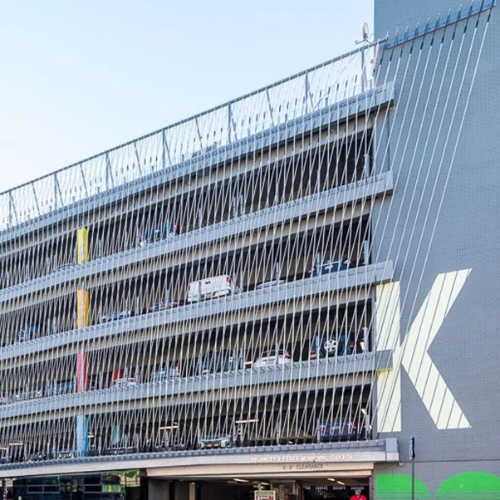
End-to-end operation of garages, lots, and mixed-use facilities.

Operational audits, revenue analysis, and facility planning.
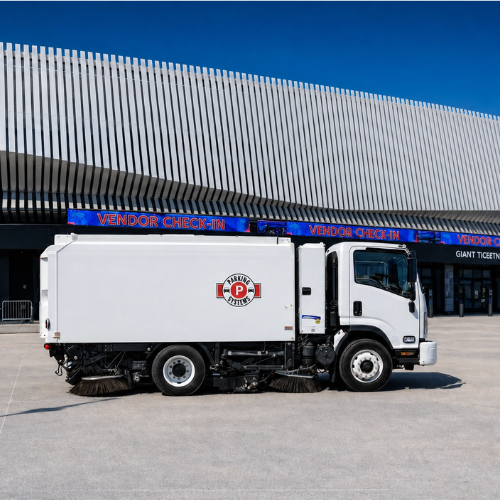
Clean, safe, well-lit garages your tenants notice.

Front-door staffing that extends your brand.

Shuttle solutions for campuses and venues.

Permit programs and monthly parker management.
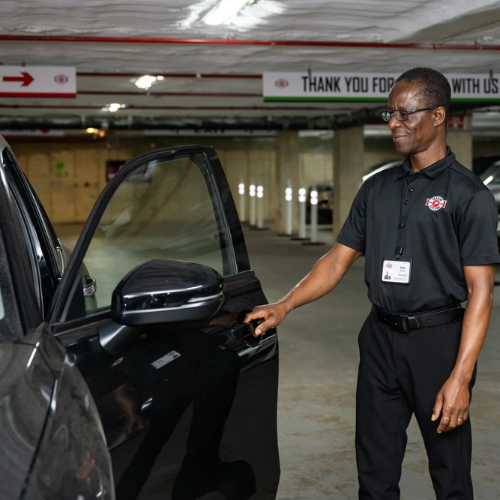
Hospitality-trained attendants for hotels, healthcare, and events.
Why PITTSBURGH properties choose Parking Systems

Trustworthy Attendants
Our attendants are thoroughly background checked. They’re trained to keep every client’s vehicle security at all times, from luxury vehicles to motorcycles.

Good Guest Impressions
We leave an excellent first and last impression of your establishment. Our professional teams are trained to anticipate guests' needs and deliver first-class service with a smile.
Technology Pays for Itself
Our state-of-the-art technology and automation let us make data-driven decisions that drive revenue, reduce operating expenses, and deliver a better parking experience.
PITTSBURGH Industries We Serve
Pittsburgh's parking demand concentrates around three things: the downtown and Oakland employment centers, the medical and university campuses inside them, and the event venues that spike everything around them. We manage parking for office buildings, healthcare facilities, event venues, hotels, and retail centers, and where an owner is weighing an equipment or capital decision, a utilization study usually changes the answer.
Frequently Asked Questions About Parking Management in Pittsburgh
-
It should be modeled explicitly rather than absorbed. Because the tax is calculated against the transaction, a rate change moves two lines at once, and monthly parkers feel it faster than transient parkers do. We model the posted rate, the tax line, and the net to you side by side before recommending a change, so the decision is made on the number you keep.
-
Count before cutting. Hybrid schedules usually mean the same people park fewer days rather than stopping entirely, which makes a flexible or day-based product worth more than a discount on a full month. Re-cutting reserved allocations against actual badge or gate data typically frees stalls that can be sold transient, and that is a revenue change with no capital attached.
-
With the scope of work, not with the vendor list. The specification you write determines whether the proposals you receive can be compared at all, and most of the terms that matter later, audit rights, expense caps, capital approval thresholds, and performance standards, belong in that document rather than in a negotiation after selection. Here is what goes into one.

Ready to Talk Parking?
Give us your address and contact details, and we’ll send you a parking proposal for your location.